
How Long Can the Offshore Upcycle Last? Part 3
This cycle is unlikely to repeat the drilling-rig crash of 2014, but the pace of new FIDs, awards and shifts in contract terms may reveal a turning point earlier.
The flow of large offshore awards has continued in 2026. In late May, Petrobras and SBM Offshore signed contracts for two FPSOs for the Sergipe-Alagoas basin. Delfin FLNG 1 reached final investment decision in June, and a Saipem-Tripatra joint venture won the EPCI contract for the Kutei North Hub FPSO in July. The queue behind those projects also remains substantial. FEED is under way for Guyana's Longtail FPSO. Equinor is targeting an early-2027 investment decision for Bay du Nord, while Cambo continues to move towards possible sanction in 2026 or 2027. Engineering for Namibia's Venus development is mature, although fiscal terms are still being negotiated with the government. Nigeria's Zabazaba-Etan project has also returned to the development agenda.
On paper, there is still plenty of work to come. Anyone who lived through the previous cycle will remember that yards were busy and orderbooks were full just before the market broke in 2014. The durability of today's cycle depends in part on why the last one failed and whether the same warning signs are beginning to appear again.
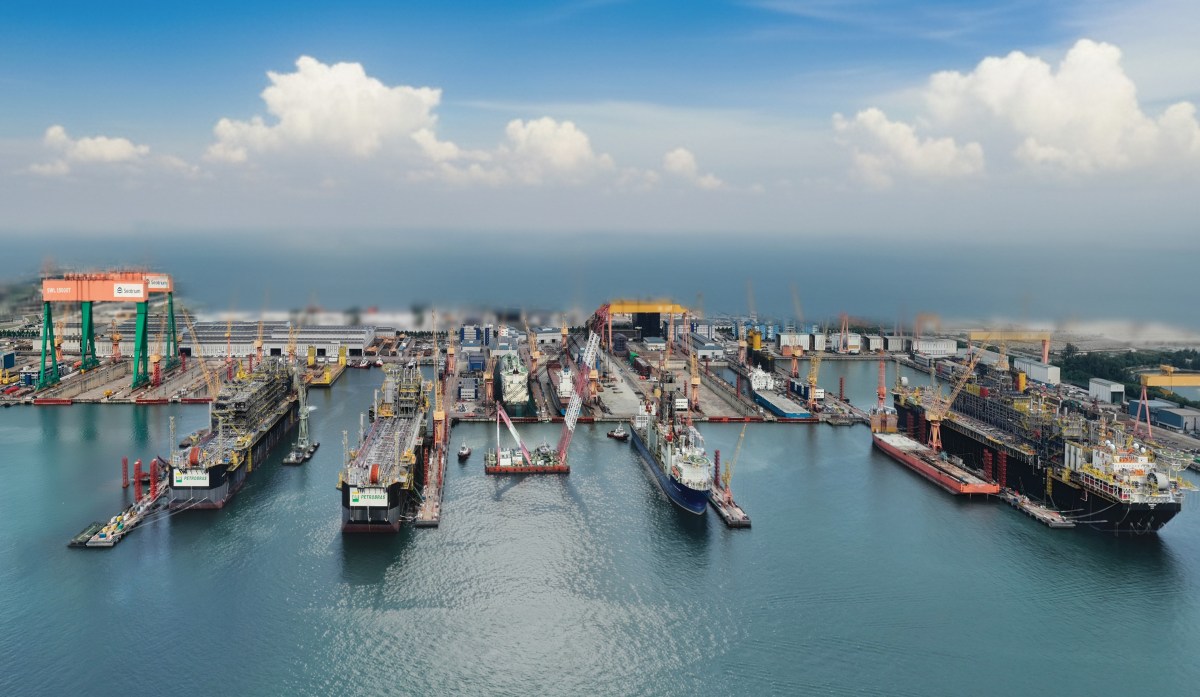
1. Why Drilling Rigs Created a Much Larger Overhang
Drilling rigs were the defining asset of the last offshore boom. A rig can move between fields and regions and earn income as a mobile operating asset. If a drilling contractor expected dayrates and utilisation to remain high, it could order a unit without a firm initial contract and look for work before delivery.
Orders of that kind were common around 2012. Calling them speculative does not mean they were irrational at the time. Oil prices, dayrates and fleet utilisation had all been strong for years. Many companies assumed the market would remain tight enough to make an early rig order profitable.
The problem emerged when the market turned. Producers cut exploration spending as oil prices fell, but rigs ordered during the boom kept arriving. New supply suddenly had too little work. Units were idled or cold-stacked, asset values fell, and it took years for the industry to absorb the surplus.
FPSO and FLNG orders follow a different commercial logic. An FPSO is normally designed around a specific field: processing capacity, topsides, mooring and subsea interfaces all depend on the development plan. An FLNG project also needs a defined gas resource, liquefaction concept and sales arrangements. Complete facilities are rarely built first and matched with a project later.
A standardised hull can be ordered ahead of sanction, but the rest of the work still depends on the project. Longtail is a useful example. SBM Offshore has started FEED and allocated a Fast4Ward hull, while full construction remains subject to approval of the development plan, ExxonMobil's FID and authorisation to release the next phase.
Most production facilities now entering yards therefore have identified resources, development plans and committed capital behind them. Their commercial foundation is firmer than that of many rig orders from the previous cycle. A downturn would be unlikely to leave a large fleet of newly built FPSOs with no fields to serve. It could, however, stop the next round of awards from arriving on time.
2. When Will the Next Round of Projects Arrive?
Floating production workload has remained high for several years because a handful of large resource provinces have moved into repeat development.
Petrobras continues to line up new production systems in Brazil's pre-salt. In Guyana, one FPSO may still be under construction while FEED starts on the next development and later discoveries move through planning. A standalone project creates one order. A repeat-development basin can generate FPSO, subsea and engineering work over many years.
Once reserves, well productivity and project economics have been established, later developments are generally easier to advance than a new province starting from scratch. Design work, suppliers and execution experience can also be reused. If Brazil and Guyana maintain their current pace, they provide the FPSO market with a relatively dependable base of work. A material slowdown in either programme would affect more than a single vessel.
A six-month delay to one large oil and gas project is not unusual. Approvals, commercial negotiations, partner decisions, costs and design changes all move schedules. A more telling sign would be gaps appearing in what had been an annual rhythm of FIDs and awards, especially if several major development programmes slowed at the same time.
For that reason, adding more names to a list of possible FPSOs says less than following the few provinces that support the current market. The questions are whether those programmes continue to advance in batches and whether new high-quality development areas begin to join them.
3. Watch What Contractors Are Willing to Accept
In a strong market, projects are plentiful but the pool of contractors able to deliver a large FPSO or FLNG EPC/EPCI scope remains small. With busy orderbooks, established contractors can walk away from a low price, an unrealistic schedule or an unattractive allocation of risk. Owners still need to find bidders with both capacity and a credible execution record.
Several good years inevitably attract new entrants. Companies that once concentrated on fabrication, modules or subcontracting are adding engineering, procurement and project-management capability in pursuit of broader EPC scopes. Moving up the value chain is a reasonable ambition. The test comes when there are fewer projects to compete for.
The previous cycle showed how quickly behaviour can change. At the height of the rig boom, yards with limited experience in offshore drilling units began taking orders. Some owners placed highly leveraged orders with small down payments, and yards accepted more risk to secure the work. When drilling demand collapsed, owners delayed delivery or abandoned projects, leaving much of the exposure with the yards.
FPSO and FLNG projects are unlikely to reproduce that pattern exactly because most are backed by real fields and investment decisions. Cycle risk can still reach a yard through the contract. If the pipeline thins and contractors become anxious about where the next order will come from, payment terms, delivery schedules and liability positions that were once unacceptable may begin to find takers.
Contract terms are therefore worth watching alongside headline order values. Are experienced contractors still prepared to withdraw when the price is too low, the schedule cannot be defended or the risk split is poor? If more bidders decide to win first and work out the risk later, bargaining power may already be shifting back towards project owners.
That shift usually appears before yards run short of work. By the time construction gaps become visible, the change in contracting behaviour may have been under way for some time.
So will this offshore cycle turn as abruptly as it did in 2014?
Probably not in the same form. The last downturn stranded drilling assets that had been ordered in anticipation of future demand. Most FPSOs, FLNG units and LNG modules in the current backlog are tied to identified projects, and work already in execution is much firmer. Those projects will not disappear simply because market sentiment weakens.
If the cycle cools, the first change is more likely to be in the next group of projects. Yards can remain busy on existing FPSOs while the pace of new FIDs and awards slows. The date to which an orderbook extends tells us about today's workload; it does not tell us how long new business will keep arriving.
The better indicators are the pace of the main development programmes and the terms that contractors are willing to accept. By the time offshore yards are reporting widespread gaps, the market will usually have turned well before.