
COSL Advances Plans for Two New-Generation Deepwater Moored Semisubmersible Rigs
COSL has approved a feasibility study for two new-generation deepwater moored semisubmersible rigs as utilisation and average daily revenue across its existing semisubmersible fleet remain high.
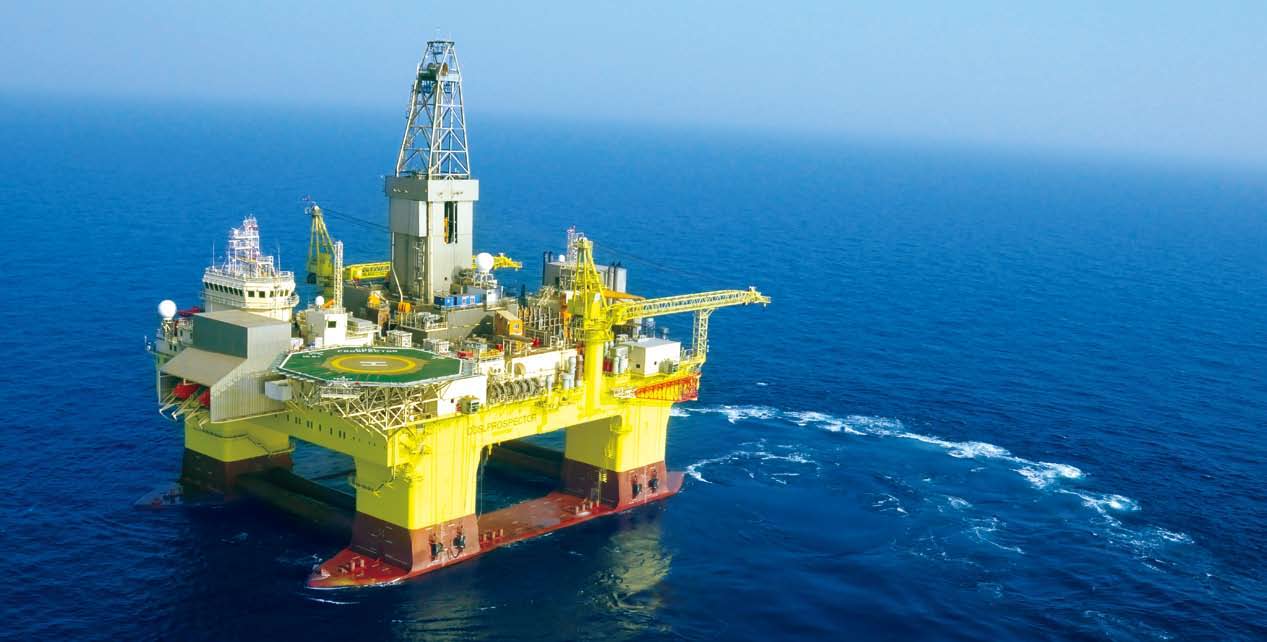
China Oilfield Services Limited is extending its latest equipment planning programme from offshore support vessels and jack-up rigs into the deepwater drilling segment.
On August 25, COSL’s board approved the feasibility study for the construction of two new-generation deepwater moored semisubmersible drilling rigs. The proposal had previously been reviewed and approved by the board’s audit committee and passed the board by eight votes to none.
What moored positioning means
A semisubmersible drilling rig can remain on station through anchors and mooring lines or by using thrusters for dynamic positioning. In suitable water depths and operating conditions, mooring can reduce the need to run thrusters continuously, but it places greater demands on anchor handling, seabed suitability and clearance from surrounding subsea infrastructure.
Semisubmersible utilisation remains high
The plan comes as activity across COSL’s semisubmersible fleet remains elevated. As of June 30, 2026, the company operated or managed 61 drilling rigs, comprising 47 jack-ups and 14 semisubmersibles.
COSL’s semisubmersibles recorded 2,372 operating days in the first half of 2026, up 11.4% year on year. Calendar-day utilisation increased from 84.0% to 93.6%, while average daily revenue rose from US$171,000 to US$176,000. In its interim report, COSL said demand for deepwater semisubmersibles continued to expand and day rates were rising steadily.
On June 30, COSL’s board also approved feasibility studies for 59 oilfield support vessels across six designs and four high-performance jack-up drilling rigs. Taken together, the proposals show the company evaluating a broader renewal and expansion programme spanning offshore logistics, shallow-water drilling and deepwater drilling capacity.
If the two semisubmersibles progress into design and construction, they would create potential demand for hull assembly, deepwater mooring systems, drilling packages, risers and tensioning systems, blowout preventers, electrical controls and automation equipment. Combined with the previously approved vessel and jack-up studies, COSL’s latest equipment programme could become an important source of future demand for offshore fabrication and equipment suppliers.