
Alfa Laval to Acquire NAVTOR for $700 Million, Expanding Maritime Digital Business
Alfa Laval has signed a definitive agreement to acquire NAVTOR for $700 million in cash and plans to combine it with StormGeo and Portchain as it expands its maritime digital business.
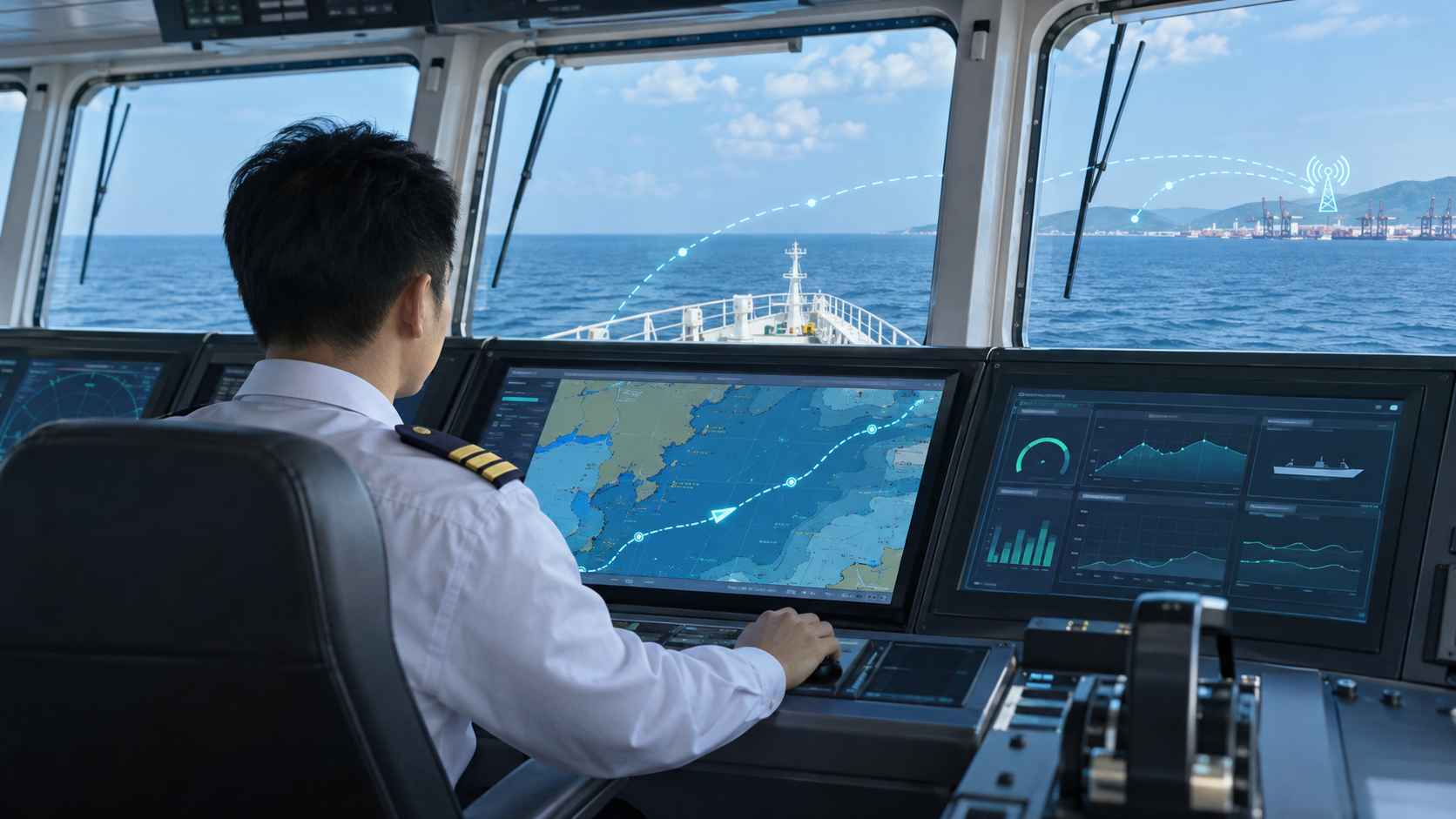
On 6 November, Swedish industrial group Alfa Laval announced that it had signed a definitive agreement to acquire Norwegian e-navigation software company NAVTOR in an all-cash transaction. The purchase price is $700 million, equivalent to approximately SEK 6.85 billion. The transaction is expected to close in the first quarter of 2027, subject to customary regulatory approvals. Alfa Laval said it is one of the company’s larger acquisitions to date and is expected to have no material impact on the group’s margin in the short term.
From shipboard equipment to digital decision-making
Alfa Laval has long been known for heat-transfer, separation and fluid-handling equipment. In recent years, the company has begun extending its maritime business from individual equipment and energy-saving technologies into vessel-operating data and decision support.
In 2021, Alfa Laval acquired weather-routing and data-analytics company StormGeo, adding weather routing, voyage optimisation and vessel-performance analysis to its business. On 30 October 2026, StormGeo acquired port-collaboration software company Portchain, connecting berth and terminal planning with voyage-optimisation systems.
One week after the Portchain transaction closed, Alfa Laval announced the NAVTOR acquisition agreement. The three companies cover onboard navigation, voyages at sea and port operations respectively. Alfa Laval aims to use them to create a digital operating system spanning vessels, shore-based management teams and terminals.
NAVTOR offers more than electronic charts
Founded in 2011, NAVTOR initially provided electronic charts and automated chart updates for vessels. It later expanded into route planning, vessel performance, emissions reporting, digital logbooks and ship-to-shore data transfer.
NAVTOR’s main products now include the onboard voyage-planning platform NavStation, the shore-based fleet-management platform NavFleet, digital navigation logbooks and the NavBox ship-to-shore data-transfer system. Its products and services cover approximately 18,000 vessels, with customers in more than 90 countries.
With NAVTOR joining the group, Alfa Laval’s software portfolio will have a clearer division of roles: NAVTOR will handle onboard e-navigation and operating data, StormGeo will cover weather, speed and fuel-consumption optimisation, and Portchain will provide berth and terminal planning. When port schedules change, shipowners can adjust vessel speed and estimated arrival times while their ships are still at sea, reducing fuel consumption caused by waiting for a berth.
The S-100 transition opens a new market window
The transaction comes as global e-navigation standards are being updated. The International Hydrographic Organization’s S-100 framework entered its implementation phase in 2026. Compared with existing standards, S-100 can integrate electronic charts, depth, water level, currents and navigational warnings within a common framework.
Under the International Maritime Organization’s timetable, 2026 to 2028 is a transition period. From 1 January 2029, newly installed ECDIS equipment must comply with the new S-100 performance standards. This is expected to generate several years of demand for software, data-service and equipment upgrades.
NAVTOR has a large installed user base and is involved in the development of S-100-related products. Acquiring the company gives Alfa Laval direct access to the e-navigation upgrade market while also generating operating data for remote monitoring, performance verification and digital twins of its marine equipment.
Integration will be the next test
After the transaction closes, NAVTOR will become part of Alfa Laval’s Ocean Division and will join StormGeo and Portchain in a digital fleet-solutions portfolio.
NAVTOR and StormGeo have some business overlap in vessel performance and voyage optimisation. Alfa Laval will need to clarify product boundaries and connect data interfaces and customer systems before the different software platforms can become a complete operational decision chain.
NAVTOR also recently identified and reported certain compliance matters through an internal review and has since strengthened its internal controls. Alfa Laval said the transaction includes protection against related pre-acquisition liabilities, although the parties did not disclose details.