
Why Is Qatar, a Leading LNG Exporter, Buying U.S. LNG?
QatarEnergy has signed long-term agreements for up to 7 mtpa of U.S. LNG. The volumes are a geographically diversified trading and revenue hedge against future disruption in the Strait of Hormuz, not a response to domestic gas scarcity.
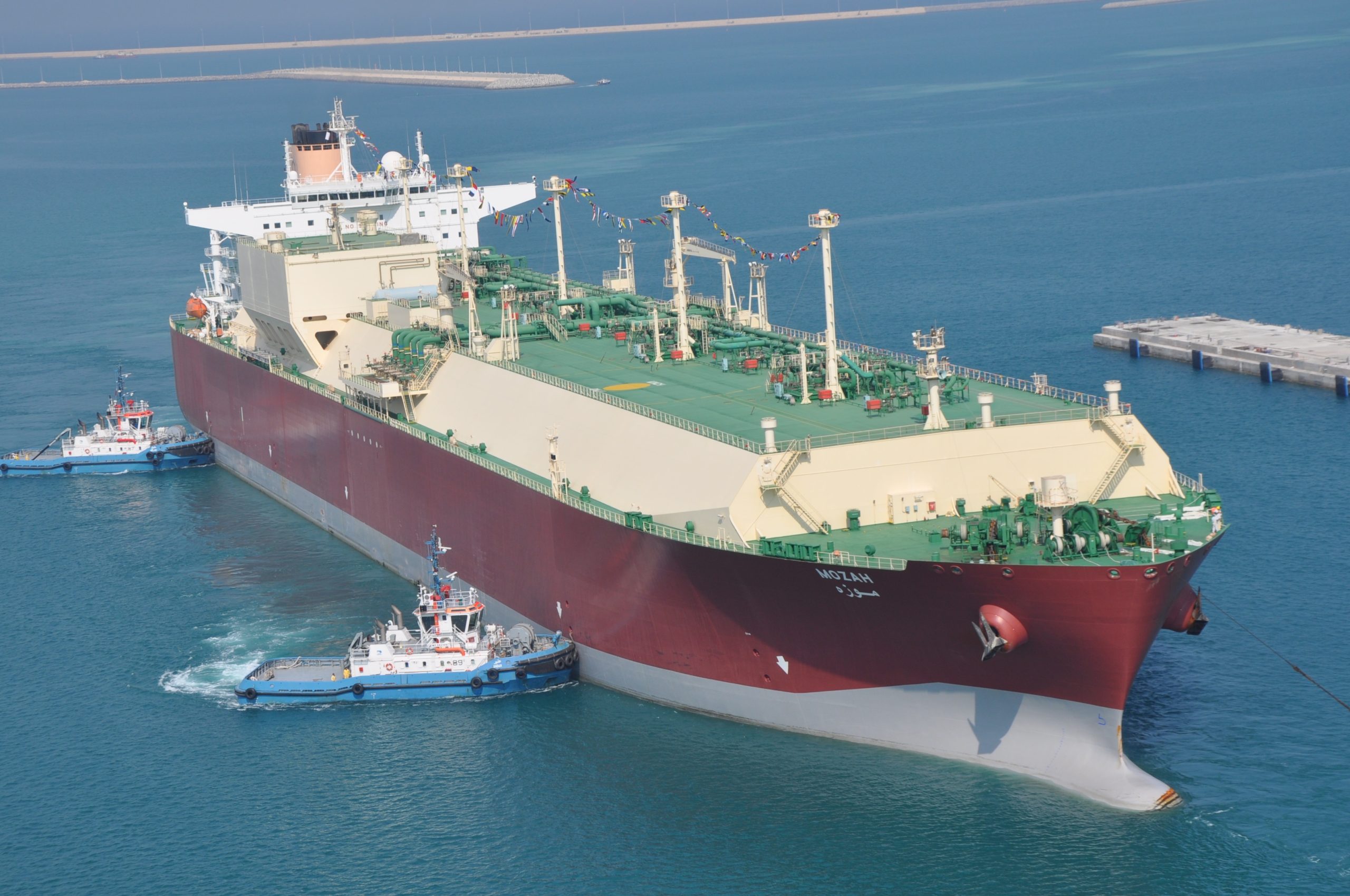
Qatar is one of the world’s leading liquefied natural gas exporters, yet QatarEnergy has signed two sets of long-term U.S. LNG purchase agreements within a week, covering up to 7 million tonnes per annum. The purchases do not indicate a shortage of domestic gas or a retreat from Qatar’s North Field expansion. They are better understood as an effort to add U.S. Gulf Coast supply to a trading portfolio that has historically depended on a single export corridor through the Persian Gulf.
On 29 October, QatarEnergy signed a 20-year sale and purchase agreement with Woodside for up to 3 mtpa from the Louisiana LNG project. Deliveries are expected to begin in 2030 on a free-on-board basis. Woodside said supply will start when Louisiana LNG Train 2 enters service and increase to 3 mtpa following the start-up of Train 3.
Louisiana LNG is under construction near Lake Charles, Louisiana. Its three-train foundation project has a combined capacity of 16.5 mtpa and is targeting first LNG in 2029.
A week earlier, QatarEnergy signed two long-term agreements with Cheniere for 2 mtpa each from Sabine Pass and Corpus Christi, giving a combined volume of up to 4 mtpa. Deliveries are scheduled to begin in 2031 and continue through the end of 2054. One mtpa of the Sabine Pass volume remains conditional on a positive final investment decision for the first phase of the terminal’s expansion.
The commercial logic is not domestic import demand. It is the creation of geographically diversified supply and trading capacity. All of Qatar’s existing LNG exports pass through the Strait of Hormuz. The regional conflict in March 2026 disrupted shipping and damaged two LNG trains at Ras Laffan with combined capacity of 12.8 mtpa, equivalent to roughly 17% of Qatar’s pre-war export capacity.
QatarEnergy chief executive Saad Sherida Al-Kaabi told Reuters that long-term purchases outside Qatar could provide trading and arbitrage revenue if the strait were disrupted again and international gas prices diverged sharply. The FOB structure also gives the buyer greater control over shipping and destination decisions.
The U.S. volumes cannot automatically replace deliveries under Qatar’s existing long-term sales contracts, however. Al-Kaabi said many of those contracts are point-to-point arrangements linking specified export terminals with specified destinations. The new purchases therefore form a separate global trading portfolio rather than a simple physical back-up for Qatar’s contracted cargoes.
Qatar’s domestic expansion remains unchanged. QatarEnergy says North Field East, North Field South and North Field West are all progressing, with the national LNG capacity target still set to rise from 77 mtpa to 142 mtpa by 2030. The company also expects to sign additional 20- to 25-year purchase agreements with U.S. and other suppliers, targeting volumes well above the 7 mtpa secured so far.
Buying U.S. LNG and expanding production at home are therefore complementary moves. The former adds flexibility in supply location, vessel deployment and trading income; the latter adds resource-backed production capacity. After the production and shipping disruptions of 2026, geographical diversification has become a practical risk-management tool for QatarEnergy’s LNG business.