
China's Shipyards Are Turning EPC Orders into EPC Capability
Chinese shipyards are expanding from hulls, modules and fabrication into full EPC and EPCIC scopes. The real test is whether project experience can become repeatable organizational capability.
Over the past two or three decades, Chinese shipyards have solved a succession of difficult problems. They moved from proving that they could build complex vessels to delivering large LNG carriers and ultra-large container ships, and then to participating in the construction and delivery of some of the world’s most complex FPSOs, FLNG units and offshore facilities. Their manufacturing capabilities have reached a level that would once have been difficult to imagine.
The current offshore cycle presents a new opportunity: can Chinese shipyards move beyond world-class manufacturing and become world-class engineering contractors?
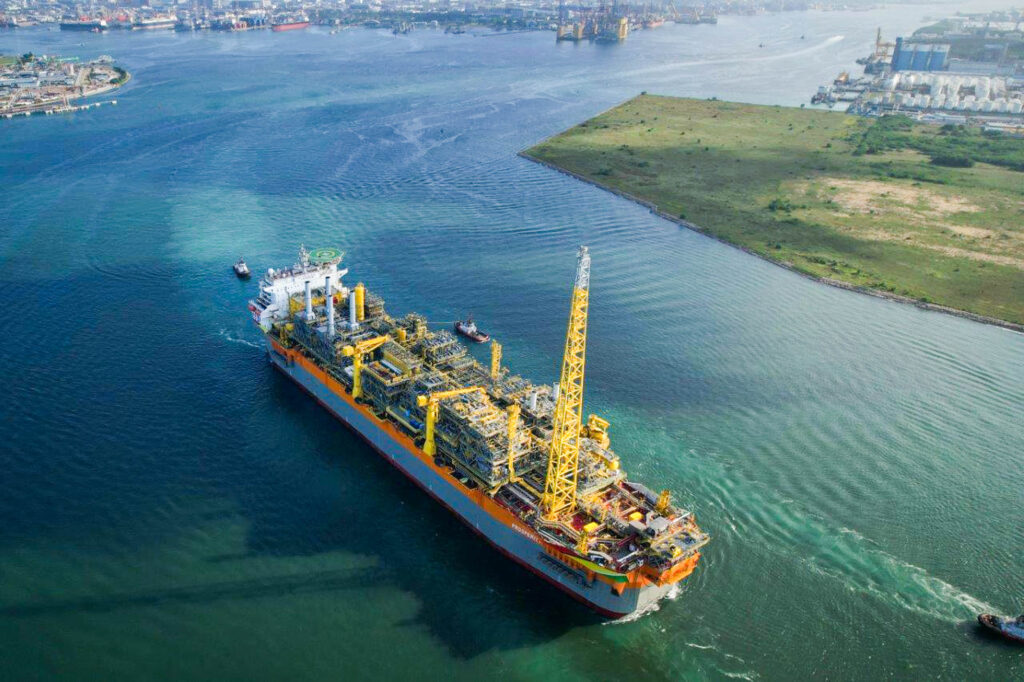
In recent years, a growing number of Chinese companies have extended beyond hulls, modules and fabrication into engineering, procurement, integration and full EPC or EPCIC scopes. Work that was once concentrated among international engineering groups and specialist FPSO contractors is increasingly entering the scope of Chinese companies.
Ten or twenty years ago, many of the qualifications and projects now being secured would have seemed beyond the reach of most Chinese yards. This progress reflects years of accumulation across China’s offshore sector, but the market has also helped. Demand for deepwater projects is rising, large developments continue to move forward, and Chinese yards have become increasingly competitive on cost, delivery and supply-chain depth. Together, these factors have pushed them into positions that were previously difficult to access.
Whether the capability came first or the market opportunity opened the door first is not the most important question. Industrial upgrading often works this way: the market creates an opening, and companies use real projects to close their capability gaps. The more important task now is to turn EPC orders into capabilities that belong to the organization.
Winning an EPC Order Only Gets You onto the Field
Chinese companies historically faced a practical barrier in the full-scope FPSO EPC market: without a complete project reference, it was difficult to win a complete project; without winning one, it was impossible to establish that reference. The current cycle is beginning to break that deadlock.
Qualifying for an approved-vendor list, winning a contract, and then completing installation, commissioning, first oil and final acceptance several years later are three very different levels of achievement. The first two show that a company has entered the field. Only the last one proves that it can deliver.
Talent Can Be Recruited; Organizational Capability Cannot Be Copied
When a company lacks large-FPSO EPC experience, an obvious response is to recruit project professionals from established international contractors.
Experienced project directors, technical managers, commissioning managers and contract managers can help assemble an international team quickly. Yet a leader who managed a major FPSO project at MODEC or SBM may not achieve the same result after moving to another company, because personal experience was only one part of the system that supported that performance.
Behind the individual sat engineering standards, project-management systems, cost databases, qualified suppliers, contract templates, design-review processes, interface-management methods and lessons accumulated across many projects.
When a turret interface fails, someone knows where a similar problem occurred before. When critical equipment is delayed by several months, the team knows how to resequence construction. When a design changes, people understand how the impact will travel through fabrication, installation and commissioning interfaces. These capabilities do not leave with a few senior employees. Organizational capability is built project by project, and assembling talented people from mature contractors does not automatically create another mature contractor.
Capabilities can be borrowed, but accountability cannot be outsourced with them.
When a project is progressing normally, work can be divided among specialists. Engineering may be assigned to an experienced design house, the yard can fabricate, global suppliers can provide equipment, a specialist can perform offshore installation, and an international team can support commissioning. Established EPC contractors also rely extensively on external resources. SBM and MODEC do not perform every task themselves; their accumulated capability lies in organizing those resources and remaining accountable for the final result.
Chinese yards expanding into EPC do not need to perform everything in-house. Offshore installation can remain with a specialist, but installation-interface management should gradually become an internal capability. An experienced engineering company may perform the design, but the prime contractor must become increasingly capable of judging that design. International experts may lead much of the commissioning, but the methods for systems completion and commissioning management should remain after the project ends.
Otherwise, every new project requires a new group of people, a new organization and another attempt to solve problems already encountered on the previous unit. The number of projects increases, but the company’s own capability does not.
The Value of a First Project Is What Remains Afterwards
Cost overruns or even a loss on a company’s first major EPC project are not unusual. For a business entering a new field, earning less—or paying a controlled amount of tuition—may be acceptable if the risk remains manageable.
The greater danger is that the money is lost, the project is completed, the international team departs and the key recruits leave. The company is then left with a project reference but no durable EPC capability.
Why was design frozen late? Why was an equipment package procured six months behind schedule? Why did an interface problem emerge only when modules reached integration? Why did commissioning reveal that the construction sequence was wrong? Why could a change not be recovered from the client? These questions cannot remain only in a close-out report.
They should become new engineering procedures, supplier strategies, contract clauses, interface-management methods, cost databases and commissioning plans for the next FPSO. Some lessons may also require changes to authority and decision-making inside the company. Problems on the first unit are not the decisive issue. The real test is whether the second repeats fewer of them and whether the third follows a more stable method. Project experience belongs to the company only after it has been institutionalized.
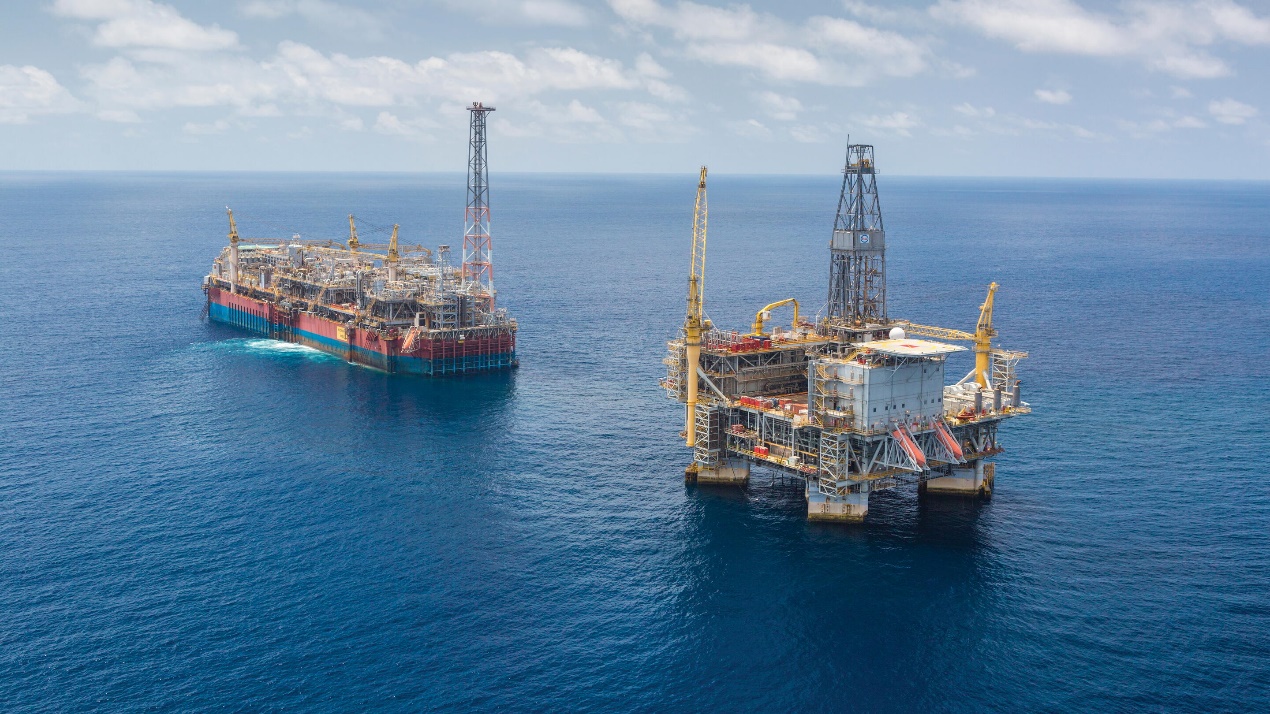
The Hardest Change from Shipyard to EPC Contractor Is Organizational
A traditional shipyard’s strongest capability is usually fabrication. Its management system has been built around milestones such as steel cutting, block erection, launching, undocking and delivery. EPC cannot be managed entirely through that logic. Engineering, procurement, fabrication, installation and commissioning are not simply consecutive activities. A decision made at the front end may still affect offshore installation and start-up several years later.
Commissioning is a useful example. If commissioning is still understood as something that begins after the vessel has been built, the project is probably still being managed with a shipbuilding mindset. On a mature EPC project, commissioning becomes involved early and influences engineering, equipment procurement, module definition, construction sequence, mechanical completion and the integrated schedule.
Creating an EPC division, adding departments and recruiting international staff do not by themselves turn a shipyard into an EPC contractor. The more difficult change lies in how the company makes decisions.
Traditional yards organize resources around production milestones. A full-scope EPC contractor must organize them around final project delivery. If engineering says conditions are not ready but production wants to proceed to protect a near-term milestone, who decides? Can the company accept a short delay and additional cost today to avoid losing hundreds of millions of dollars two years later?
Similarly, does a project director recruited from an international contractor have the authority to mobilize resources across departments during a crisis? Can that person reject a production decision that conflicts with the overall interests of the project?
These questions reveal more than whether the organization chart contains an EPC division. The real transition occurs when individual functions stop optimizing only their own milestones and begin making trade-offs around the final delivery of the project.
From World-Class Manufacturer to World-Class Engineering Contractor
Can Chinese shipyards use the current offshore cycle to make that transition? The opportunity is already here.
The first and historically most difficult barrier is opening. More international clients are entrusting broader scopes to Chinese companies. Approved-vendor lists that were previously closed are becoming accessible, and complete projects that could not previously be won are becoming possible. What matters next is what remains after those projects have been completed.
If the outcome is only several multibillion-dollar contracts and a few additional EPC references, the cycle will have delivered orders. If individual expertise becomes team knowledge, partners’ capabilities are gradually internalized, paid lessons reduce mistakes on the next project, and those lessons are embedded in engineering systems, project management, supply chains, contract management and decision-making, the result will be fundamentally different.
Chinese shipyards spent decades proving that they could build complex vessels and offshore facilities. The next task is to prove something else: that they can manage and deliver a world-class complex engineering project—and improve with each repetition. If they succeed, the lasting result of this offshore cycle will not be a handful of EPC orders, but a group of internationally competitive engineering contractors.
That is the greatest value of the opportunity now in front of them.