
Papua LNG Retenders EPC as Capex Falls to US$14 Billion, Targets 2026 FID
Papua LNG has completed its EPC retendering process, with award recommendations ready for partner approval. Design optimisation and wider Asian competition have reduced estimated investment to about US$14 billion ahead of a targeted fourth-quarter 2026 FID.
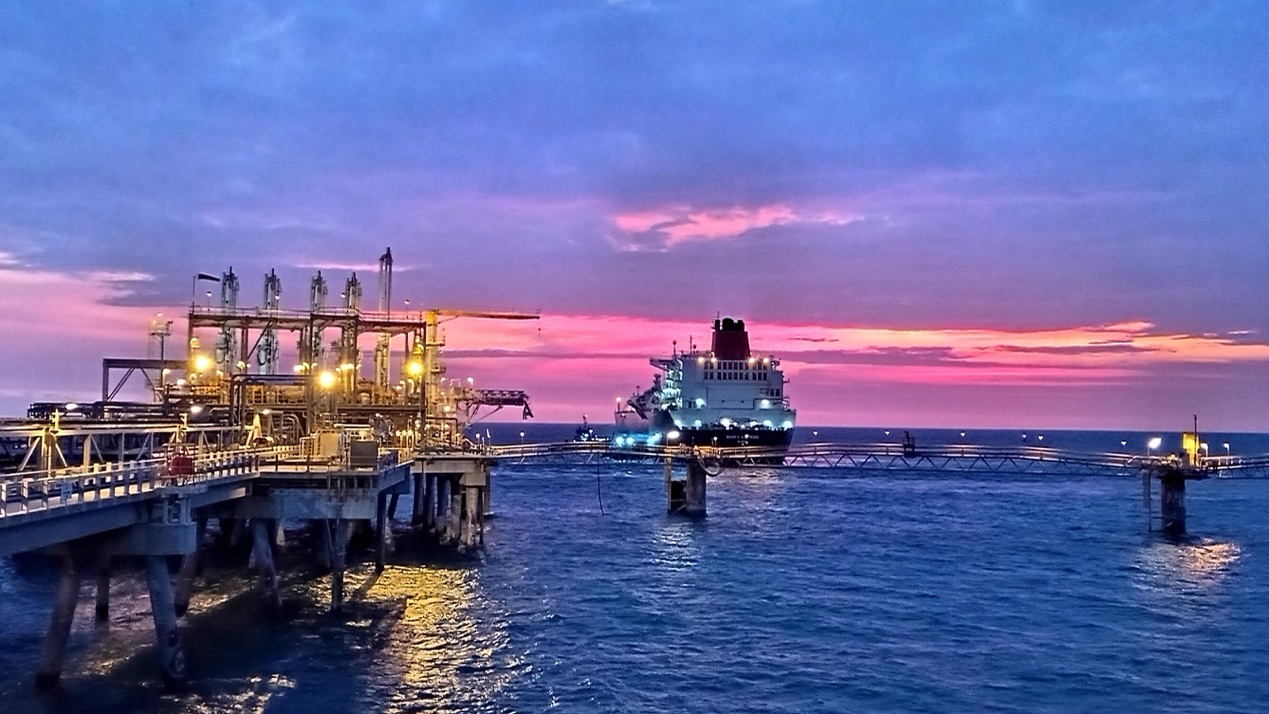
Papua LNG is moving back toward a final investment decision (FID) after high construction costs delayed the project. On September 7, TotalEnergies said the EPC tender process had been completed and recommendations for the award of the various contracts were ready for Papua LNG partners’ approval. It said project optimisation and a retendering process involving a wider group of Asian EPC contractors had delivered nearly US$4 billion of savings since 2024, reducing estimated investment to about US$14 billion. Operatorship is also set to transfer from TotalEnergies to ExxonMobil.
Integrated with PNG LNG infrastructure
Papua LNG is designed to commercialise the Elk and Antelope gas fields in Papua New Guinea’s Gulf Province. The development is planned to produce about 5.6 million tonnes per annum of LNG. Its design includes three new electrically driven liquefaction trains near Port Moresby, with around 4 MTPA of capacity, alongside access to approximately 2 MTPA of existing PNG LNG liquefaction capacity.
The project trajectory changed after the first round of EPC bids in 2024. Papua LNG entered integrated FEED in 2023, with FID then expected in late 2023 or early 2024. The initial EPC pricing was materially above expectations, and the Papua New Guinea government subsequently cited investment of about US$18 billion. TotalEnergies deferred FID, reworked the engineering plan and reopened the competition to a broader pool of Asian contractors.
Cost reduction through redesign and retendering
The reduction to approximately US$14 billion is not simply a matter of lower contractor pricing. TotalEnergies has cited design optimisation, including an alternative upstream condensate scheme integrated with PNG LNG, as a source of savings. The liquefaction concept has also moved from four electric-drive trains in 2023 to three trains today, while retaining roughly 4 MTPA of new-build capacity.
The retendering process has raised the profile of Asian engineering contractors. In March, JGC and Hyundai Engineering & Construction were selected as the EPC candidate for the downstream LNG facilities, comprising three electrically driven trains. In August, Daewoo E&C was named preferred bidder for the upstream central processing facility and well pads EPSCC scope. The final EPC awards and notices to proceed remain conditional on FID and subsequent approvals.
TotalEnergies had previously said it would expand the EPC competition to a wider panel of Asian contractors. The company has also noted the need to draw on a broader engineering and supply-chain base in Asia, India and China where some Western contractors have limited appetite for large, remote projects. The core candidates publicly identified to date are from Japan and South Korea.
Operatorship transfer and the FID path
ExxonMobil’s proposed operatorship is the other major change. Papua LNG has been designed to make extensive use of PNG LNG infrastructure already operated by ExxonMobil, and its new trains are planned adjacent to the existing PNG LNG plant. Bringing operatorship under ExxonMobil is intended to reduce construction and operating interfaces and to deepen the use of existing facilities and operating systems.
As part of the change, TotalEnergies is expected to reduce its interest to 20% while retaining its share of Papua LNG volumes. Papua New Guinea completed an amendment to the Gas Agreement on September 3, followed by TotalEnergies’ confirmation on September 7 that EPC tendering and the operatorship transition had advanced. The government is targeting FID by December 15; Santos has also maintained guidance for an FID decision in the fourth quarter of 2026.
Papua LNG’s move from an estimated US$18 billion to around US$14 billion is therefore rooted in engineering redesign, retendering and closer integration with existing infrastructure. If FID is achieved this year, the 2024 delay caused by high EPC pricing may prove to have been the project’s key economic reset.